
Parent Resources
We are a community of learners, children and adults alike.
If you don’t see what you are looking for here, please reach out to our team of educators and childhood development experts at hello@mia-montessori.com
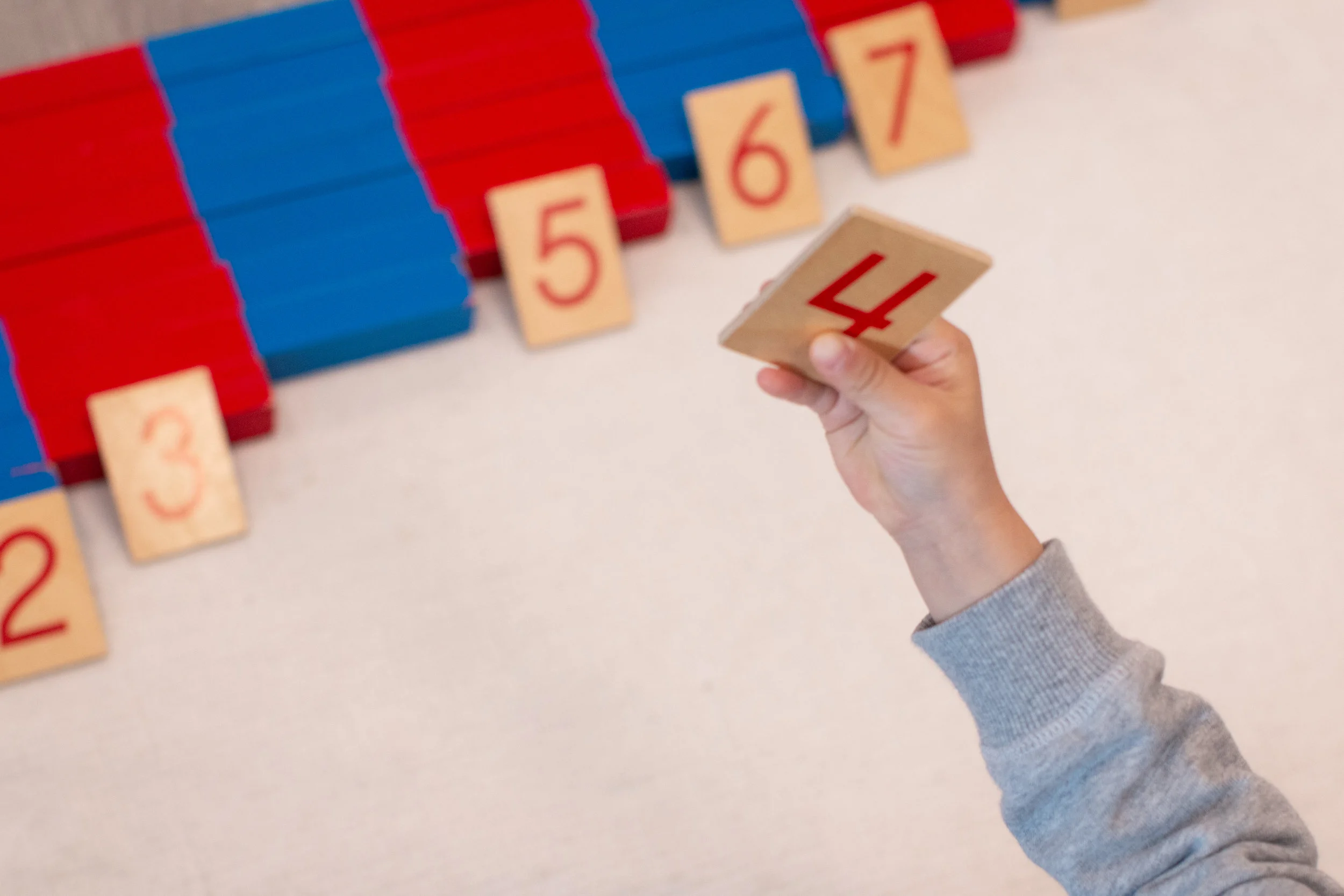
Is Every Montessori School the same? Here’s what parents need to know
Not all Montessori schools are the same - anyone can use it. Here's how to spot an AMI-accredited Montessori school, and why it matters for your child.
If you've started researching Montessori education, you've probably noticed something confusing: almost every preschool and daycare in your search results calls itself "Montessori" in some way. But not all Montessori is created equal — and the differences aren't cosmetic. They affect what your child's day actually looks like, how their teacher is trained, and whether the environment follows Dr. Maria Montessori's method or just borrows the aesthetic.
Here's what parents need to know before choosing a school.

"Montessori" isn't a protected term
This is the part that surprises most parents: in Canada (and most of the world), anyone can call their preschool "Montessori" regardless of training, materials, or philosophy. There's no legal requirement to follow the method, hire certified teachers, or use authentic materials. A daycare can put a few wooden puzzles on a shelf, use the word "Montessori" in its name, and legally call itself a Montessori school.
That's why the label alone tells you almost nothing. What matters is who accredits the school and its teachers.
The three tiers you'll typically encounter
AMI (Association Montessori Internationale) Founded by Maria Montessori herself in 1929, AMI is the original and most rigorous Montessori accrediting body worldwide. AMI teacher training is intensive — typically a full year of graduate-level coursework, supervised practicum hours, and observation-based assessment. AMI schools follow the method closely: uninterrupted work cycles, full sets of authentic Montessori materials, mixed-age classrooms, and teachers trained specifically for the age group they teach (infant, toddler, primary, or elementary).
AMS (American Montessori Society) A well-regarded accrediting body, particularly common in the United States. AMS training is also in-depth, though it allows somewhat more flexibility in classroom implementation than AMI. Many strong schools are AMS-accredited.
"Montessori-inspired" or unaccredited This is the broadest and least regulated category. It can include wonderful programs run by genuinely knowledgeable educators — but it can also include daycares with no Montessori-trained staff at all, using the name because it's popular with parents. Without accreditation, there's no external body verifying teacher training, material authenticity, or fidelity to the method.
What this looks like in a real classroom
The differences show up in the daily experience, not just the paperwork:
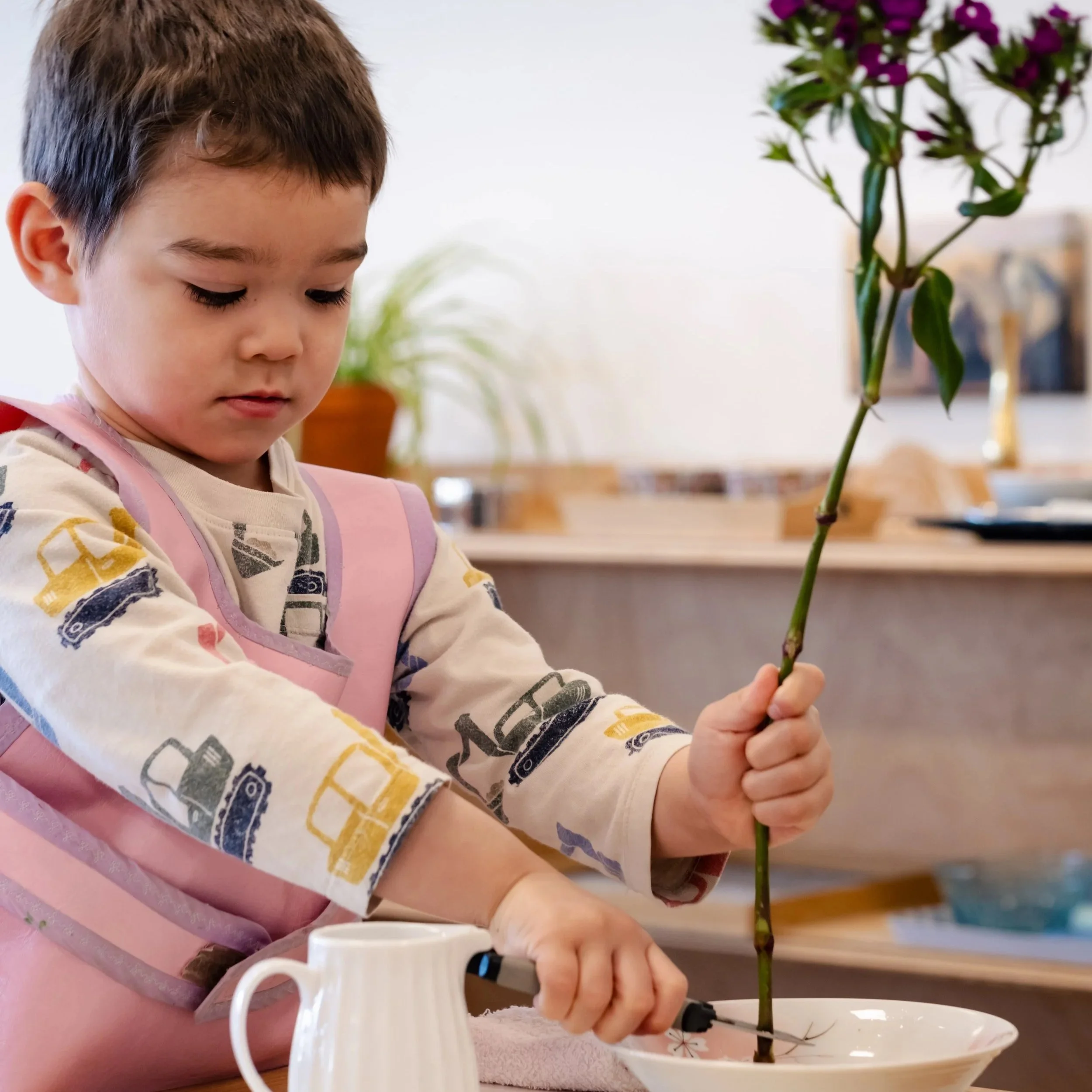
Teacher training: An AMI-trained guide (Montessori teachers are called "guides," not teachers) has completed a full diploma course specific to the age group in the room. An untrained staff member, however caring, hasn't studied the observational and material-based methodology that makes Montessori work.
Where that training is actually practiced: Training is only the starting point. AMI's method is built on observation — guides learn to read what a child is ready for and respond in the moment, and that skill sharpens through years of practicing it in an authentic environment. A guide who trained with AMI but has spent years working in a non-accredited setting, without full material sets or a protected work cycle, has had few opportunities to actually use what they learned. That expertise doesn't hold up in storage — it either gets exercised in a genuine Montessori environment or it fades. The credential shows the training happened; the classroom shows whether it's still alive.
Materials: Authentic Montessori materials are precise, self-correcting, and made from natural materials like wood, glass, and metal — deliberately designed to isolate a single concept and invite repetition. Plastic knockoffs or generic "educational toys" don't offer the same learning function, even if they look similar in a photo.
The work cycle: AMI classrooms protect a three-hour uninterrupted work cycle, which allows children to enter deep concentration — something Montessori identified as essential to development. Programs that break the day into short, teacher-directed activity blocks aren't following this core principle, even if they use some Montessori materials.
Mixed-age classrooms: Authentic Montessori environments group children in three-year age spans (2.5–6, 6–9, 9–12), allowing younger children to learn from older ones and older children to reinforce their knowledge by teaching. Single-age classrooms lose this dynamic.
It starts above the classroom, not just inside it
A credential alone doesn't guarantee this either. AMI training builds an observational skill that's sharpened through years of real practice — a guide who trained with AMI but then worked for years in a setting without full materials or a protected work cycle has had little chance to keep that skill alive. Mia Montessori is the only AMI-accredited Montessori school in western Canada serving children 2.5 to 12 years old.
Leadership matters just as much. When a school's administration and ownership are AMI-trained or committed themselves, that shapes every policy — schedules, hiring, budgets — to protect the method rather than compromise it. It also tends to mean real support for parents applying Montessori principles at home, and a close-knit community of families who share the same philosophy.
For over 30 years, our founder, Meenu Chaudhary, has been a leading voice in Western Canada's Montessori community. She established our school to bring an authentic, AMI-aligned Montessori education to families in the Lower Mainland — a program that, at the time, simply didn't exist here.
That same depth of experience continues through our principal, Ratika Fernandes, who has been a Montessori child since the age of three, having attended a school led by a Head trained directly by Dr. Montessori herself. Ratika is deeply passionate about extending Montessori principles into the home, and is AMI-Accredited to guide families through Montessori at Home for children aged 0–6.
We believe the Montessori philosophy comes fully to life when school and home work in true partnership. That's why parent involvement is woven into every part of our program — through parent-education sessions held throughout the year, open classroom observations, and one-on-one meetings with families. Together, these touch points ensure every child is supported consistently, both in the classroom and at home.
Why this matters for your decision
None of this is to say non-accredited programs can't be good — some are wonderful, run by thoughtful educators who've studied the method independently. But if you're choosing Montessori specifically because you've read about its outcomes — for concentration, independence, intrinsic motivation, or academic depth — those outcomes are tied to fidelity to the method, not just the name on the door.
It's also worth knowing that a credential alone doesn't guarantee this experience. Some guides working in "Montessori-inspired" schools did complete AMI training at some point — but training is a skill that's built through ongoing practice, not a one-time certification. A guide who trained with AMI and then spent years in a setting without full material sets or a genuine work cycle hasn't had the chance to keep developing that observational skill. So the honest question isn't just "is the teacher AMI-trained," but "has the teacher been able to actually practice what they trained in."
Questions worth asking any MOntessori school
-
AMI and AMS schools meet recognized requirements for teacher training, curriculum, and classroom practice. “Montessori-Inspired" or unaccredited schools the teacher training and curriculum would Varies widely — often with no formal Montessori training.
-
A genuine Montessori school will answer clearly and welcome you to see it in person.
Things to look out for include:
Authentic, complete materials sets — in wood, glass, sometimes metal.
An unaccredited school trying to match Montessori materials may use partial sets or plastic substitutes instead.
-
Teachers with AMI or AMS diplomas have completed rigorous, age-specific Montessori training, including a supervised practicum. Ask which age group they are qualified to teach, as Montessori training is specific to each developmental stage.
This also helps you determine whether the school uses authentic mixed-age classrooms (ages 3 - 5 in Primary classes, and ages 6 - 12 in Elementary) or a more conventional single-age model.
-
This can help you understand whether the school offers guidance, resources, and regular communication. Offering resources can help families practice some Montessori principles at home, creating greater consistency and supporting your child's independence and confidence.
See the difference for yourself
Numbers on a page only go so far. We invite all our families to tour our classrooms — we feel it's the best way to understand what authentic AMI Montessori actually looks like.
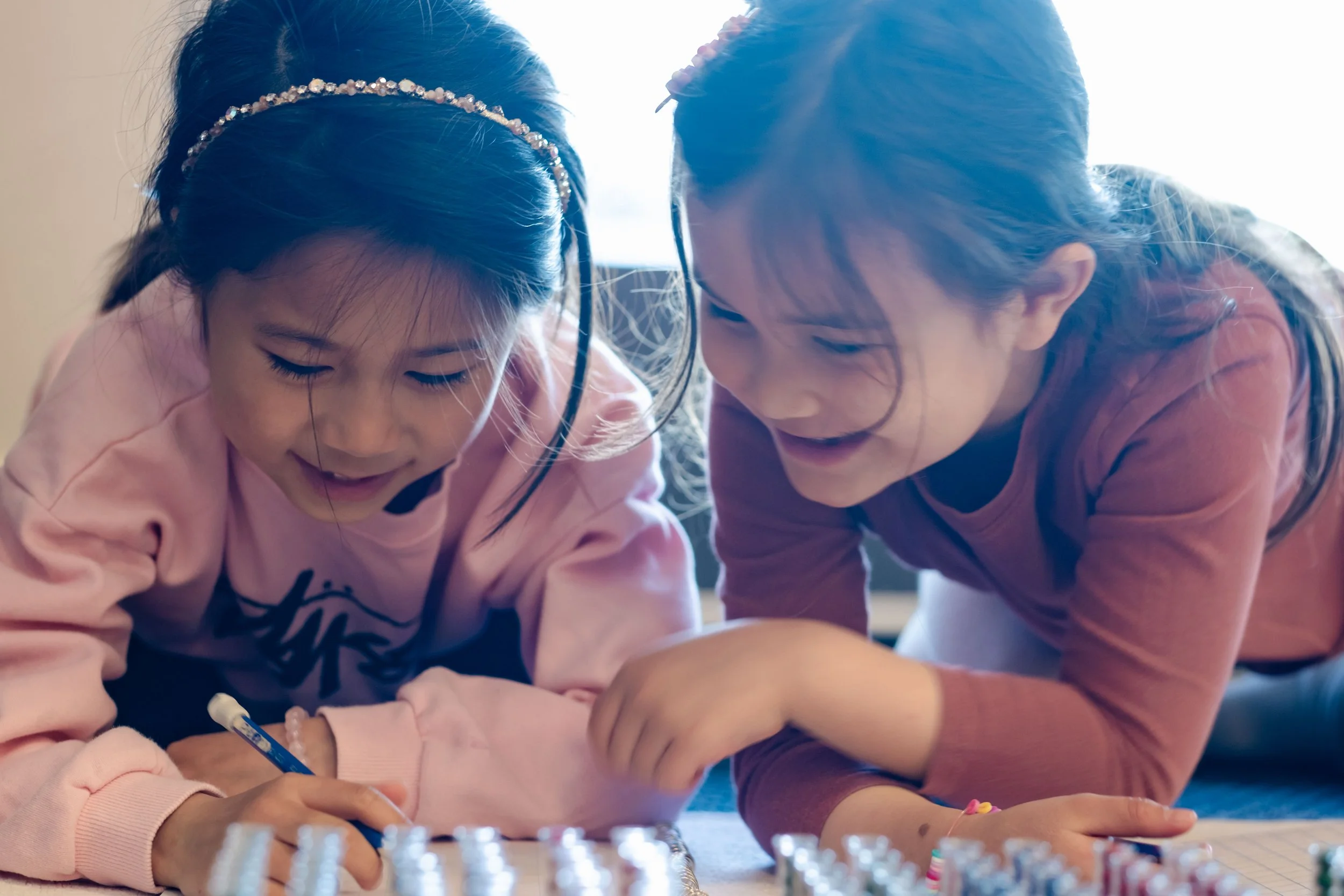
What does it mean to be accredited as a Recognized School by AMI Canada?
We are proud to be the only school in Western Canada accredited by Association Montessori International (AMI) Canada for children aged 2.5-12 years old. Our school was founded with the sole purpose of adhering to Dr. Montessori’s principles, they are ingrained into every aspect of the school - from our policies to the presentations - to be recognized externally as such is a proud achievement.
We are proud to be the only school in Western Canada, accredited as a Recognized School by the Association Montessori International (AMI) Canada, for children aged 2.5 - 12years of age!
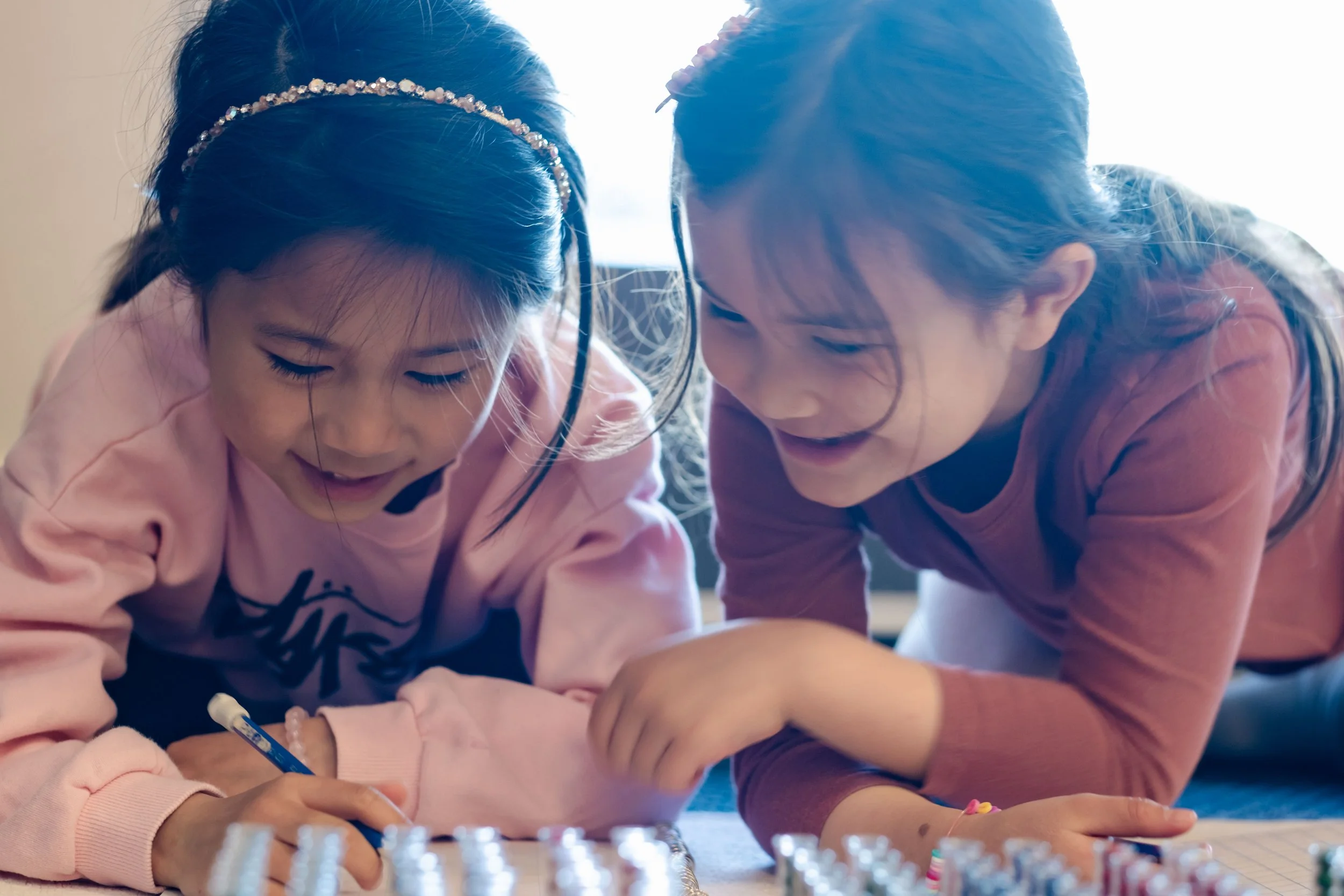
This accreditation reflects the school’s commitment to authentic Montessori practice in meeting the developmental needs of children aged 2.5 - 12 years of age. Mia Montessori was founded for one reason, and one reason alone - to be a school that adheres, entirely, to Dr. Montessori’s principles. Every aspect from our policies to the presentations are in line with the Montessori philosophy - this was something radical at the time as there were very few schools in Greater Vancouver, with the same purpose.
The accreditation process involves a consultation from an AMI Trainer, at each level, to observe all aspects of the program - the structure of the school, the timeline of an average school day, the mix of children in the classroom, the materials, the training of the assistants, teachers and administrators, the size of the classroom, and the list goes on. All these factors work together to create a harmonious, authentic, Montessori classroom, and school.
During a recent consultation of the elementary environment by an AMI Trainer, he observed, what is a normal day for us, “independent group work, small group lessons, great work, Going Out and collaborative contributions to the classroom environment. He was awed by the beauty of the environment dynamics - to see in real life, what’s he’s seen previously in pictures, Dr. Montessori’s authentic elementary environment. It gave him goosebumps.
We are proud to be externally recognized by AMI Canada as being the only school in Western Canada to provide an authentic Montessori program for students aged 2.5-12 years of age!
about the montessori quality assurance (MQA) program
The name Montessori is not protected by any trademark or copyright. The Association Montessori Internationale (AMI) was founded by Maria Montessori and her son Mario Montessori in 1929, in order to protect the integrity of Dr. Montessori’s life's work. The AMI continues to work in various capacities around the world on behalf of children and Montessori education.
Parents in North America seeking trusted high quality Montessori programs requested a system to help them identify the schools following AMI’s standards or quality and authenticity. The Association Montessori Internationale has expanded quality assurance beyond the United States and Canada and is now collaborating with countries around the world as part of a global AMI quality assurance program.
what is an AMI Recognized school?
There are two levels of accreditation under the MQA Program, Member School and Recognized School.
Member schools have been visited by a consultant, and commit to working towards meeting the Essential Characteristics of AMI Environments. They are committed to working together, and be supported by AMI Canada in implementing the policies, structure, materials and other elements to be in line with Dr. Montessori’s principles.
Recognized schools are accredited as such as they already meet the Essential Characteristics of AMI Environments in support of the full development of the human being. These characteristics are the backbone of authentic quality Montessori environments. They reflect the principles set out by Dr. Maria Montessori in order to best serve the developmental and learning needs of children at various stages of development.
Recognized schools engage in consultation by Trained AMI Consultants every three years and commit to ongoing staff development through attendance at AMI workshops, conferences and refresher courses.
More than play: the purposeful work in Montessori
In Montessori, children’s activities are called “work” because they are purposeful, meaningful, and chosen by the child—not busywork or play directed by an adult. This language comes from Maria Montessori, who observed that children naturally seek activities that help them develop concentration, independence, and mastery.
If you’ve ever visited the primary or elementary classrooms at Mia Montessori, you may have noticed something that sounds a little surprising at first: children talk about choosing their work.
Not their activity.
Not their assignment.
Not even their play.
Their work.
For families new to Montessori, this language can feel formal for early childhood education. But in a Montessori environment, the word work is intentional, respectful, and deeply meaningful.
“Play is the work of the child.”
— Dr. Maria Montessori
Honoring the Child’s Effort
The term comes from the observations of Maria Montessori, who saw that children are not passive learners. They are active builders of themselves. When a child carefully pours water, traces sandpaper letters, builds the Pink Tower, or solves a math problem, they are doing more than playing. They are:
Developing coordination
Refining concentration
Strengthening independence
Building neural pathways for future learning
Calling it work acknowledges the focus and effort children invest in these tasks. It communicates that what they are doing matters, because for the child, play is a serious and purposeful activity.
“ Grown-ups think of play as a purposeless occupation that keeps children happy and out of mischief, but actually when children are left to play by themselves very little of their activity is purposeless. ”
-Dr. Maria Montessori, Maria Montessori Speaks to Parents
Concentration Is the Real Goal
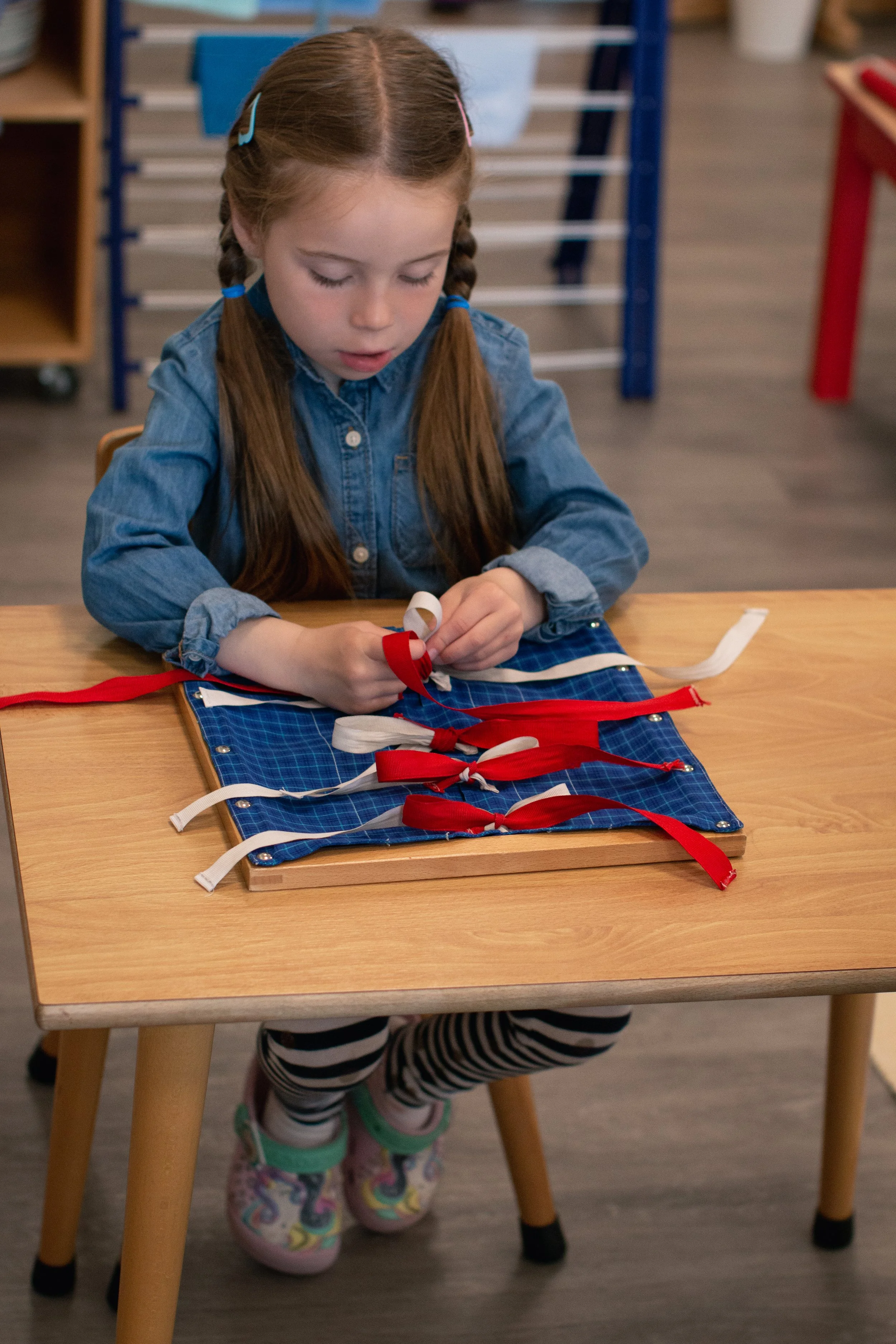
In a Montessori classroom, uninterrupted work cycles allow children to fully immerse themselves in a task. When a child becomes deeply focused—sometimes for 20, 30, or even 60 minutes—they are developing one of the most important foundations for lifelong learning: the ability to concentrate.
This is why we protect long work periods in our programs. You can learn more about how our classrooms are structured on our Programs page.
Independence Builds Confidence
Montessori work is carefully designed so children can complete it independently—from beginning to end.
They choose it.
They carry it.
They complete it.
They return it.
This cycle builds confidence in a powerful way. Instead of relying on constant adult direction, children begin to see themselves as capable problem-solvers.If you’re curious about how independence develops in early childhood, our Montessori philosophy page shares more about our approach.
“A child’s work is based on doing things for their own sake… through their work they are building who they will become.”
— Dr. Maria Montessori, Maria Montessori Speaks to Parents
Work Is Joyful
Importantly, Montessori work is not rigid or pressured. It is joyful, hands-on, and self-directed. When children are free to choose meaningful tasks in a thoughtfully prepared environment, their “work” feels deeply satisfying. You’ll often hear a child say:
“I’m not done with my work yet.”
That sense of ownership is exactly what we hope to nurture.
Preparing for Life — Not Just School
When we use the word work, we are also planting a seed: that learning is purposeful and valuable.
Children who experience meaningful work develop:
Persistence
Responsibility
Intrinsic motivation
Respect for their environment
These qualities extend far beyond the classroom.
At Mia Montessori, we see each day that children are not simply learning letters and numbers—they are engaged in the important work of building themselves. As part of our commitment to partnership and transparency, we warmly invite parents to observe a morning work cycle in the classroom. During these quiet observation mornings, families often witness the calm focus, independence, and intrinsic motivation that define a Montessori environment.
Montessori classrooms call it “work” because children are doing the important work of building themselves—intellectually, socially, and emotionally. It respects the child. In a Montessori classroom, children are doing real, developmentally appropriate tasks—pouring, building, reading, calculating, problem-solving. Calling it “work” honors the effort and focus children invest, just as we would with adults.

The Science of Reading
In an effort to improve literacy, there is a movement across North America focused on The Science of Reading. Although the Science of Reading is a new approach to reading in traditional education, Dr Montessori developed the principles over 150 years ago for application in Montessori early childhood (primary) and elementary environments. The Montessori approach, similar to the Science of Reading, emphasizes building foundational skills through a scientifically researched, structured, multi-sensory approach.
In an effort to improve literacy, there is a movement across North America focused on The Science of Reading. It is an interdisciplinary body of research spanning 50 years spanning several fields including cognitive psychology, neuroscience and linguistics. It has been developed based on empirical evidence, rather than being curriculum focused. The Science of Reading emphasizes the importance of systematically teaching foundational skills like phonemic awareness (the sounds of individual letters), phonics (the relationship between sounds and letters), fluency, vocabulary and comprehension.
Although the Science of Reading is a new approach to reading in traditional education, Dr Montessori developed the principles over 150 years ago for application in Montessori early childhood (primary) and elementary environments. The Montessori approach, similar to the Science of Reading, emphasizes building foundational skills through a scientifically researched, structured, multi-sensory approach.
How does a Montessori guide (teacher) teach a child to read?
Phonemic awareness and phonics
In a Montessori environment, phonemic awareness is developed first with oral language and then writing activities. The sound cylinders, a Sensorial material, help the child build and increase their awareness of the tone and pitch of sounds. The Sandpaper Letters are a tactile material that help the child associate letter sounds with their symbols. The Moveable Alphabet engages the child in a tactile exploration of writing. In a Montessori environment, the child is guided through the process of recognizing that language is made up of sounds, that each sound is represented by a letter and by blending these sounds together they can form words.
Multi-Sensory Learning
A foundational element of Montessori education is the use of multi-sensory materials. The materials engage multiple senses, which helps the child strengthen their understanding of sounds, symbols and word formation. For example, when working with the Sandpaper Letters, a child traces letters formed of sandpaper (tactile and muscular), sees the symbol (visual), and hears and says the sound of the letter (auditory). Similarly, when working with the Moveable Alphabet, the child practices building words with their hands (tactile and muscular) as they see the letter symbols (visual) and say the letter sounds (auditory). This reinforces phonetic language and word structure.
Systemic ad Sequential Instruction
Montessori materials are structured sequentially, from simple to more complex. This allows children to build their knowledge gradually and incrementally, ensuring a sound foundation (pun intended). Children start with basic sounds, progressing to phonograms and puzzle words. The materials teach the children through a variety of methods - encoding (i.e. writing), decoding (i.e. reading) and eventually leading to fluency. This systemic approach is advocated by the Science of Reading.
Vocabulary
In a Montessori environment children are introduced to vocabulary in every area of the curriculum. Children are presented with precise terms, synonyms for words they already know and complex, multi-syllable words that many would think are too advanced for a young child. The Montessori teacher understands there is no limit to the quantity of complex words children can learn, as long as the vocabulary is used in the right context (for example, a child may get ‘injured’, ‘hurt’ or ‘cut’, rather than get an ‘owie’).
Encoding before Decoding
While the Science of Reading method focuses specifically on reading, the Montessori method focuses on all aspects of language skills and culminates in reading. In fact, writing comes before reading in a Montessori classroom. Dr. Montessori understood that writing is easier for the child than reading. Writing is encoding and involves a child putting together sounds they know to build words. Reading is decoding, or taking words apart to identify their sounds and putting them back to understand their meaning. When a child reads, they are presented with a whole word and must take the word apart to identify its sounds and then put it back together to understand its meaning. Only when the child is confident with writing (encoding) does the Montessori method progress to reading (decoding).
The Montessori method was developed over a 100 years ago, based on research, study and experimentation. The Science of Reading has similarly been based on research and experimentation and embraces many of the same Montessori principles for reading. Both methods follow a structured, phonics-based, multi-sensory, and sequential approach. A key difference is that Montessori understands the value in learning to write before beginning to read.

What causes Montessori elementary students to thrive?
It’s no secret that children thrive in a Montessori environment. Montessori classrooms are fundamentally different from traditional ones. They are so unique in fact that it is hard to identify the differences that contribute to enabling children to thrive. We could write an entire book on this, but for now here are 5 key factors that contribute to your child’s success.
It’s no secret that children thrive in a Montessori environment. In fact, the longer a child has the opportunity to learn in a Montessori environment, the more benefits they receive coupled with a lifelong love of learning. So many of our students come back after moving to traditional high schools and universities and share their perspectives, only fully appreciating the benefits a Montessori foundation gave them now that they’re able to perceive it from the ‘other side’.
Montessori classrooms are fundamentally different from traditional ones. They are so unique in fact that it is hard to identify the differences that contribute to enabling children to thrive. We could write an entire book on this (and in fact, many have - refer to Paula Polk Lillard’s book Montessori Today for more information on the workings of a Montessori elementary classroom), for now, here are 5 key factors that contribute to your child’s success.
Children have choices. There’s no one-size-fits-all curriculum
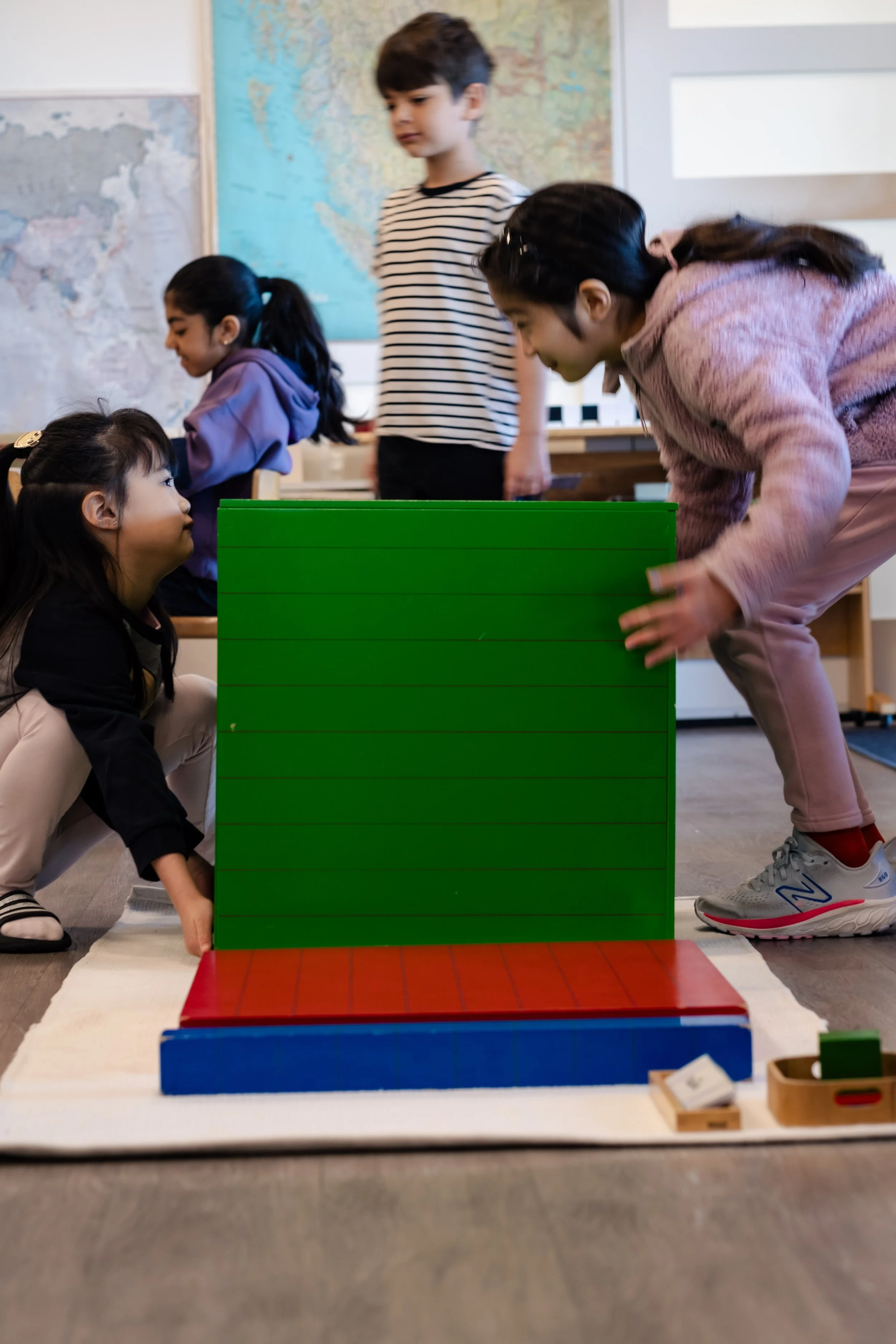
Think about when you do your best work. Is it when you’re engaged and passionate about the topic and you freely choose it? Or is it when someone assigns you a task? Autonomy is a huge factor in motivation, and Montessori elementary enables children to have a say in their learning. Of course, each child has to learn certain skills; mastering arithmetic isn’t optional. But instead of forcing each child to complete the same worksheet, the Montessori elementary classroom ensures repetition by offering a variety of materials for practicing a given skill - for example, multiplication practice includes work with the Bead Chains, the Stamp Game, the Checkerboard, the Large Bead Frame, and the Flat Bead Frame.

Students are encouraged to be curious. They are engaged and love learning. When we take our students on field trips, the people we encounter, from museum guides to park rangers, regularly comment that our students are the most curious and engaged group of children they have seen. This is common feedback for Montessori elementary schools - children love learning, because they have a chance to be actively engaged in the process.
The classroom is full of materials, instead of textbooks and worksheets
A lot of the work in traditional elementary schools is focused on textbooks and worksheets. While there is nothing wrong with this (as we love reading as well!) you won’t find textbooks in a Montessori elementary classroom. Many visitors to the classroom comment - how do the children learn then? What curriculum is taught to them?
Dr. Montessori viewed the early elementary years as a critical stage in the mind’s development, when the concrete thinking of the preschool years matures into abstract thinking. During the Primary years, children explored many materials, such as the Trinomial Cube or the Golden Beads, primarily for the sensorial interest. Now, in elementary, children use materials to understand how the world works. They are interested in the why and the how of things; they’ve become “reasoning explorers of the abstract”. The materials in Montessori are not mere instructional aids: Just like in Primary, much of their learning happens as the children use the materials to explore topics from grammar to division, from the fundamental needs of man, to the role of water in erosion. With the materials, learning is focused on the world; children acquire a mindset of thinking about things and figuring them out, rather than memorizing words or processes because an adult says so.
Teachers are guides, not lecturers
In traditional elementary education, a lot of the teaching happens at an all-class level where students generally move through the same curriculum at the same pace. This is truer now more than ever before, as mandatory standardized testing forces teachers to ensure that all students meet common minimum standards. This approach by definition fails to optimally challenge most of the students, most of the time. For example, a child who is advanced in a subject will be bored and one who is behind will quickly become anxious and concerned about their shortcomings.
Montessori is different. Most instruction happens in small groups as teachers observe students and bring together children who are ready for a particular lesson. After the lesson, each child has time to practice a skill or further explore an area, either alone or with freely chosen partners. They have time to think, and they are kept interested because they are consistently challenged.

In a Montessori classroom, an advanced student will be challenged to perform at their best. For example, it’s not unusual for a 3rd grade Montessori student to tackle what would typically be considered 5th grade math. At the same time, a child who struggles can get the extra support they need without suffering the negative effect on their self-esteem that comes from needing remedial work in a traditional elementary school setting.
Children learn with and from each other, in a mixed-age environmenT
In traditional education, the emphasis in preschool is on “socializing” the child, and children are expected to do things together in groups. Come elementary schools, class time is largely focused on individual work, in strictly same-age classrooms, and social interactions are limited to recess and lunch.
This approach - a focus on group activities in preschool, and individual activities in elementary school—is fundamentally wrong, according to Montessori. It all comes down to Montessori’s scientifically tested (and now validated) Stages of Development. Young children in preschool are focusing on building themselves - left to their own devices, they often choose to do things by themselves, and much activity in a Montessori Primary class is in fact individual work. As children near the end of Primary, they often start to work together in pairs. In fact, becoming interested in and able to work with a peer is one indication that a child is ready to move up to elementary!
In Montessori elementary, children interact with each other, across age groups, all day. You’ll often see 2-4 children working together on projects, negotiating roles and learning social skills in a safe, supervised setting as they choose co-workers and figure out that they can work with a range of companions, not just with their closest friends.
The Montessori mixed-age elementary classroom encourages them to grow into a community and practice important social skills everyday, instead of competing with each other on adult-assigned, similar tasks.
The day has two 3 hour work Cycles, instead of a schedule where activities are constantly changeD
As adults today, our concentration and focus levels are decreasing at an alarming rate. It’s unlikely you need the results of recent studies to prove the impact that emails, social media, notifications and other digital distractions are having on your own ability to concentrate on individual tasks (though, in case you’re not in the majority, studies show concentration levels have declined at an alarming 33% in the past 10 years alone).
Now, more than ever before, the ability to concentrate and focus on the task at hand is vitally important - not only for our intellect and ability to achieve tasks, but general mental health as well.
Protecting children from interruptions when productively engaged is key to their development of concentration and interest in their work. Dr. Montessori commented that traditional schools have broken up the day in many short time periods in an attempt to hold the children’s interest. In fact, it’s had the opposite effect as children remain mentally fatigued despite the alleged benefit of variety.
In contrast, Montessori schools have proven that children need a cycle of work for which they are mentally prepared. Intelligent work that is interesting is not fatiguing and children shouldn’t be cut off from it by a call to play, or change in topic. Interest is not immediately born and if, when it has been created, the work is withdrawn, it is like depriving a whetted appetite of the food that will satisfy it.
Therefore, there’s no morning recess at a Montessori elementary school. There isn’t an hour-by-hour schedule. It’s one of the most overlooked benefits of a Montessori elementary class - that children have time and space to think.
Montessori elementary classrooms are very different from traditional schools and these are just some of the factors that contribute to an environment that enables children to thrive.

What is cosmic education?
Cosmic education builds on the elementary-aged child’s need to use their developing imagination and reasoning mind to understand the universe and world around them - the cosmos. Cosmic education starts with the whole, (i.e. the universe), and works toward the parts, (i.e. individual cultures, history, geography, life forms, etc). Learning about the interconnected and interdependent nature of the cosmos helps children understand their role and importance in serving the broader community through their actions.
Dr. Montessori called the program for Elementary aged children - the between 6 and 12 years old - Cosmic Education. Why?
Because during the second plane of development, children experience an innate need to use:
Their imagination to envision concepts that they cannot necessarily see
Their reasoning minds to make sense of how each new idea fits into the big picture.
Therefore at this time, we need to give them the universe, the world - the cosmos.
The Primary child was learning to become an individual and the Elementary child is learning to become an individual within a society - firstly in the class, and then in the broader community. To do this the skills they need to build are responsibility, independence, the ability to think for themselves, generosity, consideration for others, empathy, and a desire to serve - these are the characteristics contribute to a harmonious society.
So how does this happen?
We Start with the Big Picture
First, we need to make children aware of their history - the history of the human being. That everything they have around them - from the pencils they use to the country and world they live in, were gifted to us from other people serving their society. Further still, understanding biology and zoology teaches them the interrelatedness and interdependency of nature.
Cosmic Education starts with the whole, (i.e. the universe), and works toward the parts, (i.e. individual cultures, history, geography, life forms, etc.). This gives the child a foundational sense of perspective. Within the big picture of the universe, everything the child learns is connected. Children use this big picture perspective to mentally organize new information. Information gains relevance when it’s understood as connected parts of a whole and is essential in capturing children’s interest.
It should be realized that genuine interest cannot be forced. Therefore, all methods of education based on centers of interest chosen by the adult are wrong. Moreover, these centers of interest are superfluous, for the child is interested in everything. A global vision of cosmic events fascinates children and their interest will soon remain fixed on one particular part as a starting point for more intensive studies. Thus, the way leads from the whole, via the parts, back to the whole. The children will develop a kind of philosophy that teaches them the unity of the universe. This is the very thing to organize their intelligence and to give them a better insight into their own place and task in the world, at the same time presenting a chance for the development of their creative energy.
- Dr. Maria Montessori
The Imagination
The elementary years are the most significant developmental years for the child’s imagination. The child, who previously had to experience concepts through his or her senses, can now imagine ideas without physically experiencing them. Compelled by their growing imagination, the elementary child will seek information that corresponds with their interests.
Human consciousness comes into the world as a flaming ball of imagination. Everything invented by man, physical or mental, is the fruit of someone’s imagination. In the study of history and geography, we are helpless without imagination, and when we propose to introduce the universe to the child, what but imagination can be of use to us?
- Dr. Maria Montessori
The Reasoning Mind
According to Dr. Montessori, children transition from the Absorbent Mind stage into the Reasoning Mind stage at about age six or seven. Children no longer soak up information spontaneously and without conscious effort.
Learning happens very differently now. Children are less drawn to mimicry and repetition, and are more inclined toward abstract thinking in areas of science, history, geography and more.
Children at this age are also developing important social skills. Thus, they are far more interested in engaging with others in their environment. These children are making the transition from working (and playing) alongside peers to working with them cooperatively. They become interested in their extended community and have an ever-broadening sense of social awareness.
Learning about the interconnected and interdependent nature of the cosmos helps children understand their role and importance in serving through their actions. For younger children in the elementary class, it may be something as simple as telling another child the time or helping them tie their shoelaces. As they get older the services they can provide are more involved. The teacher helps them gain an awareness of their unique strengths and areas of development, and emphasising their strengths makes them think about how they can use them to contribute to the broader society.

The Importance of Being Diverse
Diversity, to apply Dr. Montessori’s words, is an “aide to life”. While major media outlets, work environments and society as a whole are talking about the value of diverse perspectives in driving change in our world, what does it mean in an educational setting?
To use the buzzword of the decade - there are many benefits to being in a diverse environment. The political and socioeconomic challenges of our world today could, in many ways be addressed by an understanding and respect for diversity.
What are we saying when we speak about diversity? Many immediately think of race and ethnicity. Diversity is broader than this and includes gender, religion, economic background and even learning styles.
While every major media outlet, work environment and society as a whole is talking about the value of diverse perspectives in driving change in our world, what does it mean to apply it to an educational setting?
Diversity in the classroom

Diversity, to apply Dr. Montessori’s words, is an “aide to life”. Regardless of their experiences in school or in town, children will need to interact with those from diverse backgrounds in the workforce on a daily basis. Now, more than ever, intolerance and ignorance are simply unacceptable, and each employee of every company is expected to behave appropriately and act maturely in all situations, regardless of the circumstances.
It provides a better education. A diverse environment, on an indirect level contributes to a better education as it allows for individuals with differing viewpoints to collaborate and learn from one another. Studies show that students work better in a diverse environment as it promotes creativity, growth and reflection. When students learn about others’ struggles, perspectives, and experiences, they tend to reflect on and respond to that information. They are likely to ask themselves several questions that encourage personal growth: Would I act that way in a similar situation? Are my life experiences the same as those around me?
It allows for new perspectives and open mindedness. An environment of differences contributes to conversations with individuals whose thoughts, perspectives and experiences are not like our own. Children in particular experience significant personal development and a new way of approaching the world when they interact with others who have very different ideas and thoughts. Children who grow up around those of other races, ethnicities, or cultures are usually very willing to embrace a new culture, mindset, or perspective. Those who don’t experience diversity from a young age often have to learn how to be mindful and tolerant of others and understand that not everyone is the same as them.
Students feel safer in school and in life. A recent study found that when educated in a diverse environment children feel safer. Learning and experiencing different cultures and backgrounds allows them a sense of comfort with differences and new experiences, which in turn leads to a deeper sense of security.
What does diversity mean for us?
At the risk of sounding like a cliché - we value diversity at Mia.
It’s one thing to state that as part of our school values, however it’s something else to implement operational policies that contribute to creating a diverse environment.
The two critical factors that contribute to a diverse educational environment at a school is - the student body and faculty. As a result, our management policies include lower tuition costs and recruiting faculty from around the world.
Independent schools are often criticised as serving only the elite, whose children are privileged enough to receive a private education. Our focus therefore is on maintaining tuition at a balanced and manageable rate to allow us to serve the needs of the community while not compromising on a high quality education. The result is a student body from a variety of ethnic, cultural, religious and economic backgrounds.
We are privileged that the Montessori philosophy is global in nature and as a result AMI-trained teachers are working in all parts of the world. The challenge of course is finding those that are a fit for the school - its culture and its needs - while also supporting their journey to Canada. We are proud to say that our faculty includes AMI-trained teachers from Vancouver, India, Pakistan, China, Europe and the US. While they all speak a common language - of education and putting the child’s needs first - their cultural differences and life experiences contribute to the richness of the school environment, for students and parents alike.
Educators and parents can help children better understand that while everyone is different...in the most fundamental ways, everyone is the same and should be treated with respect.

The Five Great Lessons - the catalyst to the Montessori Elementary curriculum
The Five Great Lessons - the catalyst to the Montessori Elementary curriculum. They’re meant to inspire and ignite the child’s imagination. When we imagine, we are using abstract thought to think of things that cannot be seen. The excitement The Great Lessons foster drives the child’s work in the classroom. It leads them to research the topics they are most interested in.
In the beginning…there was darkness…
Isn’t that a great way to start a story? Pausing for dramatic effect, watching the children’s eyes go big with anticipation of what’s to come.
And so begins the first of The Five Great Lessons - the catalyst to the Montessori Elementary curriculum. They’re meant to inspire and ignite the child’s imagination. Told too quickly, the lessons become meaningless, causing the children’s imaginations to jump from one concept to another.
When we imagine, we are using abstract thought to think of things that cannot be seen. The follow-up lessons that come from each of the Five Great Lessons are used to materialize these abstractions. In other words, the children prove the existence of the wonders of the universe through concrete exploration.

The Five Great Lessons form the foundation of the Montessori elementary environment. The excitement that they foster drives the child’s work in the classroom. The Great Lessons lead to further discussion - What was happening during the First Great Lesson? Which of these concepts was most interesting?
It leads them to research the topics they are most interested in. They start by recording their questions in their journal, including the date, time and heading of their interest - written in full sentences. The materials in the Montessori Elementary classroom supports the research the students will need to find the answer.
A younger student generally works with an older one, to encourage collaborative learning. For the younger child, they have someone to work with and look up to. For the elder child, this reinforces their own learning by having to explain and guide the younger child through the work.
Not all students need to be working on the same topic at the same time. Older students may have ideas about what they want to research while younger students are just learning how to conduct research. The Montessori teacher encourages students to use books and computers to gather research, take notes, and write reports. They are always asked to write their reports in their own words. Math and language go hand in hand with this, allowing students a greater opportunity to explore. Students cannot conduct research if they cannot read; they cannot calculate light years if they cannot do math.
The Five Great Lessons are the curriculum guide for the Montessori Elementary classroom.

Introduction to Practical Life
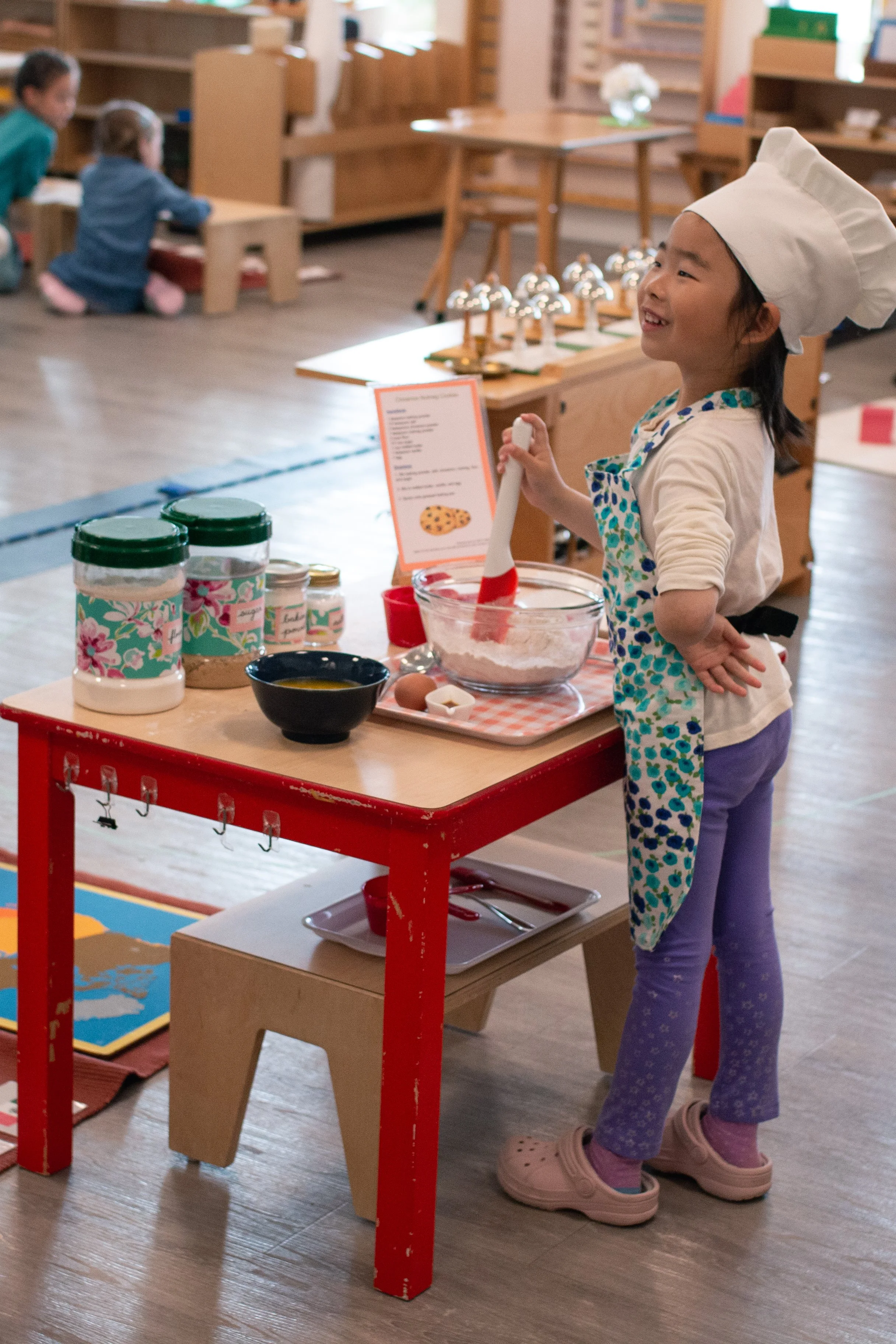
The Practical Life activities consist of familiar objects that a child would normally see every day. The goal of these activities is not only to help children build self-confidence in their working abilities, but to expose the children to fundamental work that builds up their concentration span with activities they will encounter through adulthood.
A child’s work is to create the person they will become. An adult works to perfect the environment but a child works to perfect themself.”
- Dr. Montessori
This distinction is best illustrated by a father and son, planting a tree on a hot day. Both are shovelling soil to create space for the tree. If anyone offers help to the father, he accepts gladly, grateful for a break. The son however, clings possessively to the shovel because he is the only one that can do this work. By constant repetition of movement, he is strengthening his muscles, perfective coordination and gaining confidence in a particular skill.
The Practical Life exercises in a Montessori classroom are designed to satisfy the child’s need for meaningful activity and to support their learning of the following key skills:
Control of movement
Concentration
Self-confidence
Independence
Adaptability
Social awareness (grace & courtesy)
The Practical Life activities consist of familiar objects that a child normally sees every day. The goal of these activities is not only to help children build self-confidence in their working abilities, but to expose the children to fundamental work that builds up their concentration span with activities they will encounter through adulthood. For the young child there is something special about tasks that an adult considers ordinary - washing dishes, cutting celery, arranging flowers. They are exciting precisely because they imitate adults and imitation is one of the child’s strongest urges during these early years.
Although the Practical Life exercises may seem simple and commonplace, they are actually a very important part of the Montessori program. Each of the tasks helps a child perfect coordination which indirectly prepares them for later academic work. Without concentration and attention, future learning cannot take place and these practical life exercises help them to gradually lengthen the time in which they can focus their attention on a specific activity.

Introduction to Sensorial
The Montessori Sensorial materials help children distinguish, categorise and relate new information to what they already know.
Some of the most widely recognised Montessori materials are Sensory materials - The Pink Tower, The Broad Stairs and the Red Rods - were the first materials Dr. Montessori introduced in her classroom, over 100 years ago.
Adults and children alike experience the world through their senses - their eyes, ears, hands, nose and mouth. A young child in particular meets the world through the constant use of all their senses. To examine a new object, a baby will look at it, hold it to feel the texture and weight, shake it or lick it.
As the child quite naturally uses all powers of observation during the early years, Dr. Montessori believed that this was the ideal time to give them the equipment to sharpen their senses and enable them to understand the many impressions they receive through them.
The Sensorial materials in a Montessori classroom help children become aware of details by offering, at first, strongly contrasted sensations, such as smooth vs. rough or light vs. heavy to appreciate differences. Secondly, children develop likeness through matching exercises, for instance the 1st Colour Tablets include matching two red tablets, two blue tablets etc. Following this children move into variously graded sensations, for example the 3rd Colour Tablet box grades colours from darkest to lightest.
Each of the Sensorial materials isolate one defining quality. For example, colour, weight, shape, texture, size, sound, smell, etc. The materials emphasise one particular quality by eliminating or minimising other differences. Therefore, the Colour Tablets, for example, are all the same size, the same shape, the same texture - their only difference is colour.
Why do we educate the senses? It’s possible for adults and children alike to receive a plethora of sensory impressions without any increased effect. Two adults can attend an art exhibition together. One experiences great pleasure and the other, with equally sharp eyesight, is bored and weary. Sense impressions are not enough by themselves. The mind needs to be educated and trained to be able to discriminate and appreciate.
Likewise, children can also remain unmoved by a myriad of sensory impressions in their everyday environment. They don’t need more and more impressions, but rather the ability to understand what they are perceiving.
The Montessori Sensorial materials help children to distinguish, categorise and relate new information to what they already know.
Some of the most widely recognised Montessori materials are Sensory materials - The Pink Tower, The Broad Stairs and the Red Rods - were the first materials Dr. Montessori introduced in her classroom, over 100 years ago. She did not invent them, but rather borrowed them from tools that were used by psychologists at the time to test psychological capacity of adults. The psychometric tests at that time were an indicator of an adult’s intelligence as they either passed or failed depending on whether they had learned and ingrained the concepts at a young age. By introducing these materials in the classroom with children, she ensured that their brain’s developed to learn these concepts from the start.